
For many of us in semi-rural locations, we feel that the sprawl has gone past sustainable. There is now no sound overlap between the 3 pillars (economics, people, and environment) whereby compromise for people and the environment is met. Our landscape is shrinking, and for the past 10 years at a scary pace. The requirement for local and national economics is appreciated, and it’s great to see businesses thriving when they do it right. The notion that we can make a fixed peaceful mid-state of sustainability I’m sure can be met in all sectors. However, it appears nothing is being done to at least attempt sustainable economics or to maintain our traditional ways.
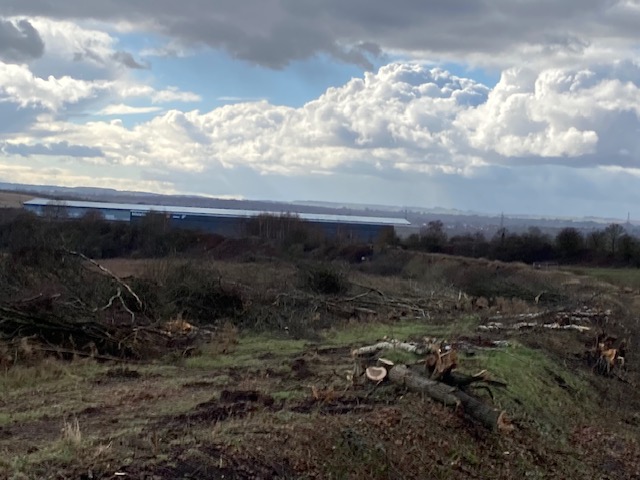
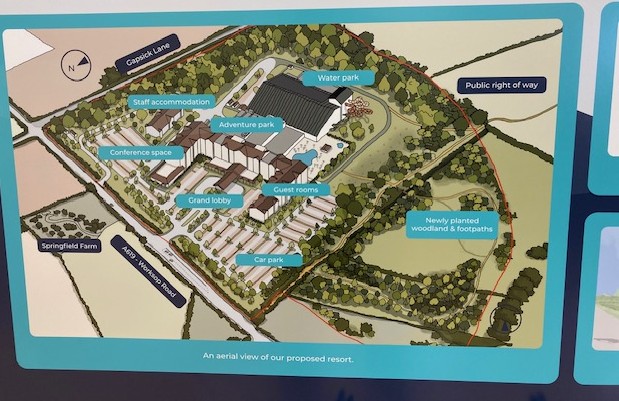
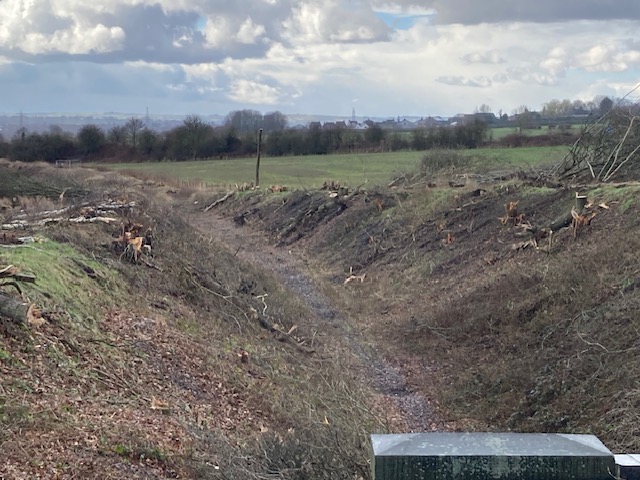
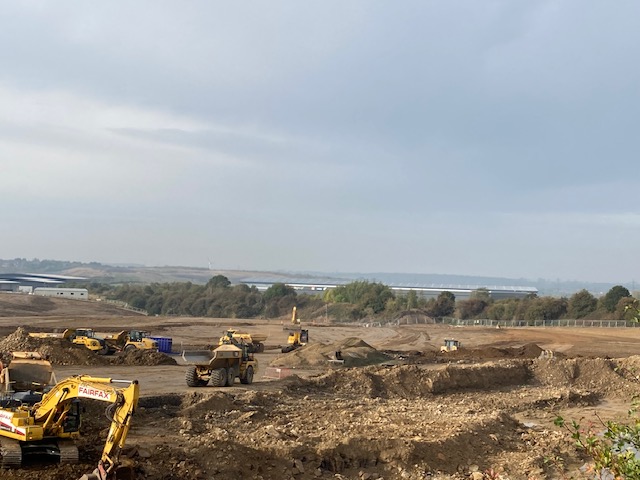
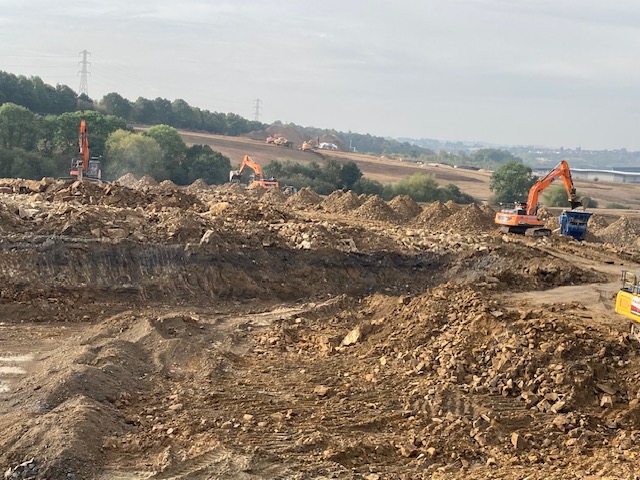
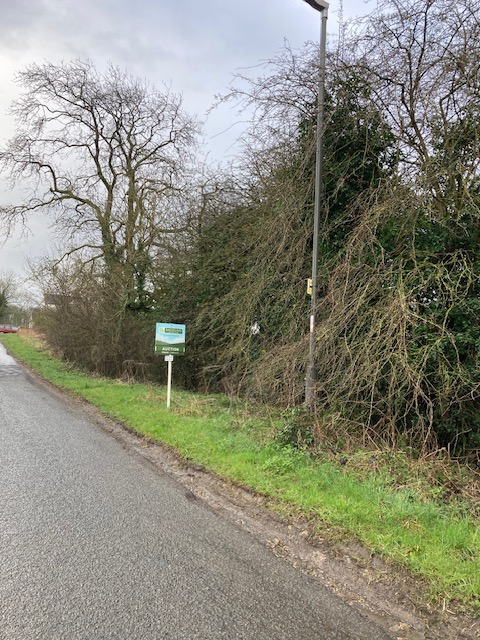
Our community is deflated by lack of holistic leadership from all directions. Further large-scale developments are underway, at the expense of our countryside. Mature trees, hedgerows, and fields are being clearly wiped out to make way for yet more colossal warehouses (example Seymour Link Road, Woodthorpe), new overexpansive housing in every reach and plans for the attraction “water park” in Clowne.
Our question is, has there been any pure consultation with community groups? What about our concerns for local wildlife, human wellbeing, and long-term issues? Has the penny still not dropped yet about the benefit of countryside to everyone? Do the powers that be even understand the concept of Ecosystem Services* or is money the only driver to this intense raid on our landscape.
*Ecosystem services are the benefits that humans obtain from nature. Those gains we receive from nature often can’t be valued in money. To our public authorities – Understanding ecosystem services helps in sustainable
environmental management and supports decision-making in conservation, urban planning, agriculture, and climate change policy. To understand the value now will help to shape our children’s future.
From the International Space Station, Ron Garan (Astronaut) returned not
just with scientific data but with a revelation. He was awestruck by the
planet’s natural wonders and what struck him most was the paper-thin layer of atmosphere enveloping our fragile planet earth, which seemed both resilient and heartbreakingly vulnerable. Garan came to a harsh
realisation: the world’s systems are upside down. Our economy treats the
Earth as a disposable resource, a subsidiary of profit, he called the “big
lie” the belief that growth should come before sustainability.
From Stanfree Valley and around the world, Save some space for us and
nature please! We cannot bring it back.

 Stanfree Valley Preservation Group